

05 May 2026

Rising Risks in Remote Works: Cyberattacks Jump 40% – What UAE Businesses Must Do Now
 by Admin
 0 Comment
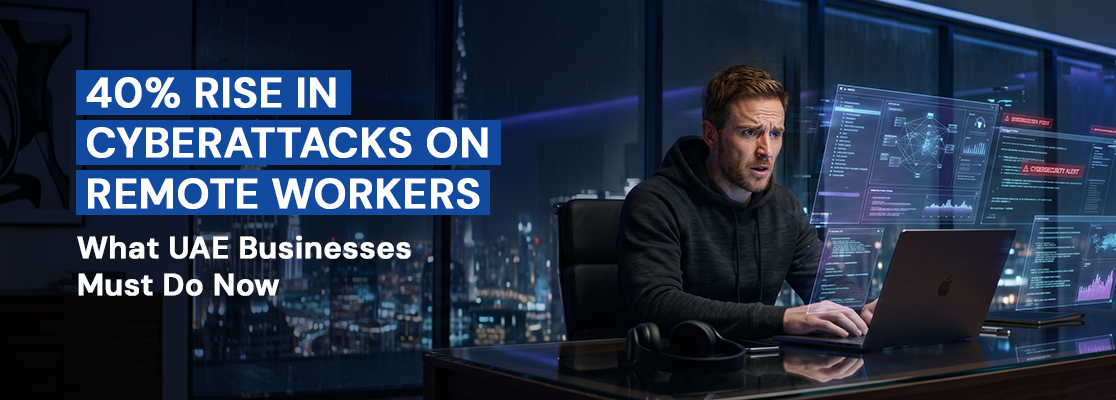
Table of Contents
- Cybersecurity Challenges for Remote Work in the UAE
- Why Cyberattacks on Remote Workers Are Rising
- Key Vulnerabilities in Remote Work Environments
- How Relevant Is This in 2026?
- Best Practices to Protect Remote Workers
- How GS IT Can Resolve This
- Cybersecurity Trends to Watch in UAE for 2026
- Strengthening UAE Businesses Against Remote Work Cyber Threats
Remote and hybrid work have quickly become part of everyday business operations across the UAE. Teams can now collaborate from anywhere, access cloud systems instantly, and keep business running without being tied to a physical office. That flexibility has been a genius game changer, but it has also opened the door to a new wave of cyberattacks on businesses that most businesses in the region were simply not built to handle.
The numbers are hard to ignore. UAE Cybersecurity Council data shows cyberattack linked to remote work have surged by more than 40%, with around 38% of all modern cyberattacks now specifically targeting remote work infrastructure, home devices, VPNs, and personal networks. Meanwhile, the country is fending off between 500,000 and 700,000 cyberattacks every single day, a number that has climbed sharply amid regional tensions, according to Dr Mohammed Al Kuwaiti, Chairman of the UAE Cybersecurity Council.
This blog highlights why the threat landscape has shifted so dramatically, where the real vulnerabilities lie, and what concrete steps UAE businesses need to take right now to protect their people and their data.
Cybersecurity Challenges for Remote Work in the UAE
The transition from centralized office environments to dispersed remote work setups has expanded the digital exposure of many organizations. Unlike corporate offices equipped with firewalls, managed switches, and dedicated security teams, remote workers often rely on personal devices, home Wi‑Fi, and VPNs that lack enterprise‑grade protections. This new perimeter has left gaps that attackers are eager to exploit.
Businesses in Dubai, Abu Dhabi, and across the emirates have felt this exposure firsthand. The question of ‘How to secure remote workers?’ has become one of the most pressing IT challenges in the region. Attackers are no longer trying to break through corporate perimeters, they are targeting the weakest link, which is increasingly the remote worker sitting at a kitchen table.
What makes this particularly concerning is the speed at which the shift happened. Many organizations moved to remote work faster than their security policies could keep pace with, leaving gaps that remain unaddressed to this day.
Why Cyberattacks on Remote Workers Are Rising
Cybercriminals are constantly adapting their strategies, and remote work environments provide an attractive, easier target compared with heavily‑guarded corporate networks.
Here are key reasons why the threat landscape has intensified:
Increased Attack Surface
Home networks and personal devices expand the number of points attackers can breach. Many users fail to update routers or enable basic security features like firewalls.
Poor Cyber Hygiene
Employees working from home may not follow rigorous security practices, such as using unique passwords or secure Wi‑Fi. This leads to increased vulnerability to phishing attacks remote workers and credential harvesting.
Greater Reliance on Cloud and Remote Tools
Remote collaboration tools and cloud services have become essential but not always optimally configured for security. Misconfigurations create vulnerabilities that attackers exploit.
More Frequent Ransomware Incidents
With valuable data now distributed across various endpoints, ransomware attackers have found new opportunities. The scale of attacks has made headlines globally, including within the UAE’s business community.
Combined, these factors have fuelled a noticeable rise in cyberattacks on remote workforces, making endpoint security for remote workers and proactive defense more important than ever.
Key Vulnerabilities in Remote Work Environments
To strengthen remote work security, it is essential to understand where gaps most often occur.
Unsecured Home Networks
These vulnerabilities, when left unaddressed, make it easier for threat actors to conduct data breach remote work attacks, gain unauthorized access, or deploy malware that affects entire business network.
Home Wi‑Fi routers often ship with default credentials and outdated firmware, making them easy targets for intrusion.
Inadequate Endpoint Security
Laptops and mobile devices used outside the corporate network may lack modern security tools such as real‑time threat monitoring, encryption, and behavior‑based detection.
Weak Password Practices
Using simple or reused passwords across personal and work accounts increases the risk of compromise.
Lack of Secure Access Solutions
Not all remote workers consistently use secure VPNs or multi‑factor authentication (MFA), leaving a path for unauthorized access.
Outdated Systems
Many remote devices miss critical security patches, exposing known vulnerabilities that attackers can exploit.
These vulnerabilities, when left unaddressed, make it easier for threat actors to conduct data breach of remote work attacks, gain unauthorized access, or deploy malware that affects entire business networks.
How Relevant Is This in 2026?
Some may assume the worst of the remote work security challenge is behind us that organizations have adapted, and the risk has levelled off. The data suggests otherwise. Here is why this is as pressing today as it has ever been:
Hybrid Work Is Now Permanent
Across the UAE, hybrid work is no longer a temporary arrangement or a pandemic era workaround. It is a fixed part of how modern businesses operate. Organizations that have not hardened their remote security posture cannot afford to wait any longer.
Employees accessing systems from unsecured environments
Whether it is from a home office, a hotel, a cafe, or a co-working space, employees are connecting to sensitive business systems from environments where no IT Team has control. The corporate perimeter, as it was once understood, simply does not exist anymore.
Increased risk of data breaches
With 500,000 to 700,000 daily attacks hitting UAE networks, the probability that at least one will find a gap in your remote work setup is not a hypothetical, it is a statistical reality. A single breach can mean regulatory penalties, reputational damage, and operational disruption that takes months to recover from.
Best Practices to Protect Remote Workers
While cyber threats continue to evolve, there are established strategies that significantly reduce risk and strengthen overall remote workforce security solutions.
Strong Endpoint Security
Investing strong endpoint protection solutions helps monitor and defend remote devices against malware, ransomware, and zero‑day exploits. These tools are crucial for ensuring that personal or home devices meet corporate security standards.
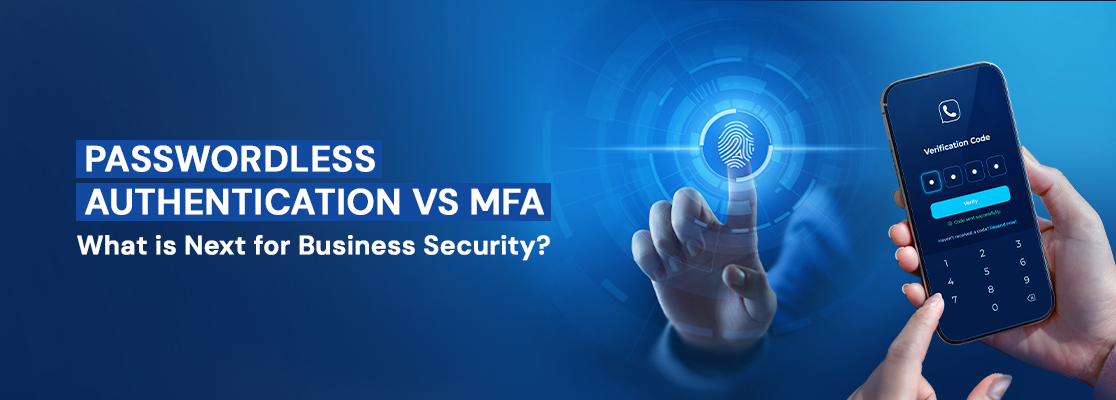
Enforce Multi‑Factor Authentication (MFA)
Passwords alone are no longer enough. MFA adds an additional authentication layer, making it significantly harder for attackers to gain entry even if credentials are compromised.
Secure VPN and Network Encryption
Always ensure remote workers connect through secure VPNs. Encrypted traffic prevents attackers from intercepting sensitive communications.
Regular Software Updates
Keeping operating systems and applications up‑to‑date helps close known vulnerabilities before attackers can exploit them.
Employee Training and Awareness
Educating staff about how to recognize phishing attempts, suspicious attachments, and unsafe links directly reduces the likelihood of successful attacks.
Together, these practices form a comprehensive foundation for remote work security and help protect against common threats in the UAE cyber landscape.
How GS IT Can Resolve This
GS IT is one of the leading cybersecurity companies in UAE businesses rely on, working with organizations across the region to build security frameworks that are practical, scalable, and built around how modern team works. GS IT designs protection that fits your workforce, your infrastructure, and your risk profile.
For organizations dealing with the specific challenges of remote work security. GS IT provides the following:
- Secure VPN & Endpoint Protection
- Network Segmentation & Firewall Deployment
- Remote Workforce Security Policies
- Device & Access Monitoring
For cybersecurity for small business UAE clients, GS IT offers scalable packages that deliver enterprise-grade protection without the enterprise-sized budget. Because the reality is that small and mid-sized businesses are often targeted precisely because attackers expect them to have weaker defenses.
Cybersecurity Trends to Watch in UAE for 2026
As cyber threats grow in sophistication, so must the measures to counter them. Here are some trends that will shape cyber security UAE strategies this year:
AI‑Driven Threats and Defenses: Artificial intelligence is a double‑edged sword, while defenders can leverage AI for advanced threat detection, attackers can also use it to automate and personalize social engineering attacks.
Zero Trust Architecture: Zero trust assumes no user or device is inherently trusted — a strategy that fits perfectly with remote work where devices operate outside centralized networks.
Comprehensive Cloud Security: With hybrid applications and remote access, securing cloud environments against misconfiguration and breaches becomes essential.
Emphasis on Compliance and Data Governance: The UAE continues to strengthen data protection regulations, making compliance an ongoing priority for all organizations.
Growth in Managed Security Services: As businesses struggle to keep pace with threats, demand for managed security services, especially those that support remote workforces, is expected to grow substantially.
Strengthening UAE Businesses Against Remote Work Cyber Threats
To thrive in a remote‑first future, UAE businesses must adopt a proactive security stance that blends technology, policy, and employee awareness.
Start by assessing your current security capabilities and identifying gaps, particularly in remote access, endpoint protection, and employee training. Then:
- Partner with reputable cyber security companies in Dubai or across the UAE to build tailored strategies.
- Invest in modern endpoint security for remote workers and secure communication tools.
- Monitor threat landscapes and adopt emerging trends like zero trust and AI‑enhanced defenses.
Whether you are a multinational enterprise or a growing SME, prioritizing cybersecurity is no longer optional, it is a strategic imperative that protects your brand, customers, and future growth.
Cyber threats are real, but with the right approach and partnerships, UAE businesses can stay resilient and secure in an increasingly distributed work environment.

-
Address
GS IT (Global Surf IT Infrastructure)
SIT Tower, Dubai Silicon Oasis
P.O. Box 13653, Dubai, UAE -
Working Hours
Monday - Friday : 8.30am to 5.30pm
-
Call Us
+971 4 578 6518
-
Mail Us
hello@gs-it.ae
Post a Comment