

12 Jan 2026

AI-Driven Next-Generation Firewalls: The Future of Intelligent Network Security
 by Admin
 0 Comment
What Is a Firewall and Why Does It Matter
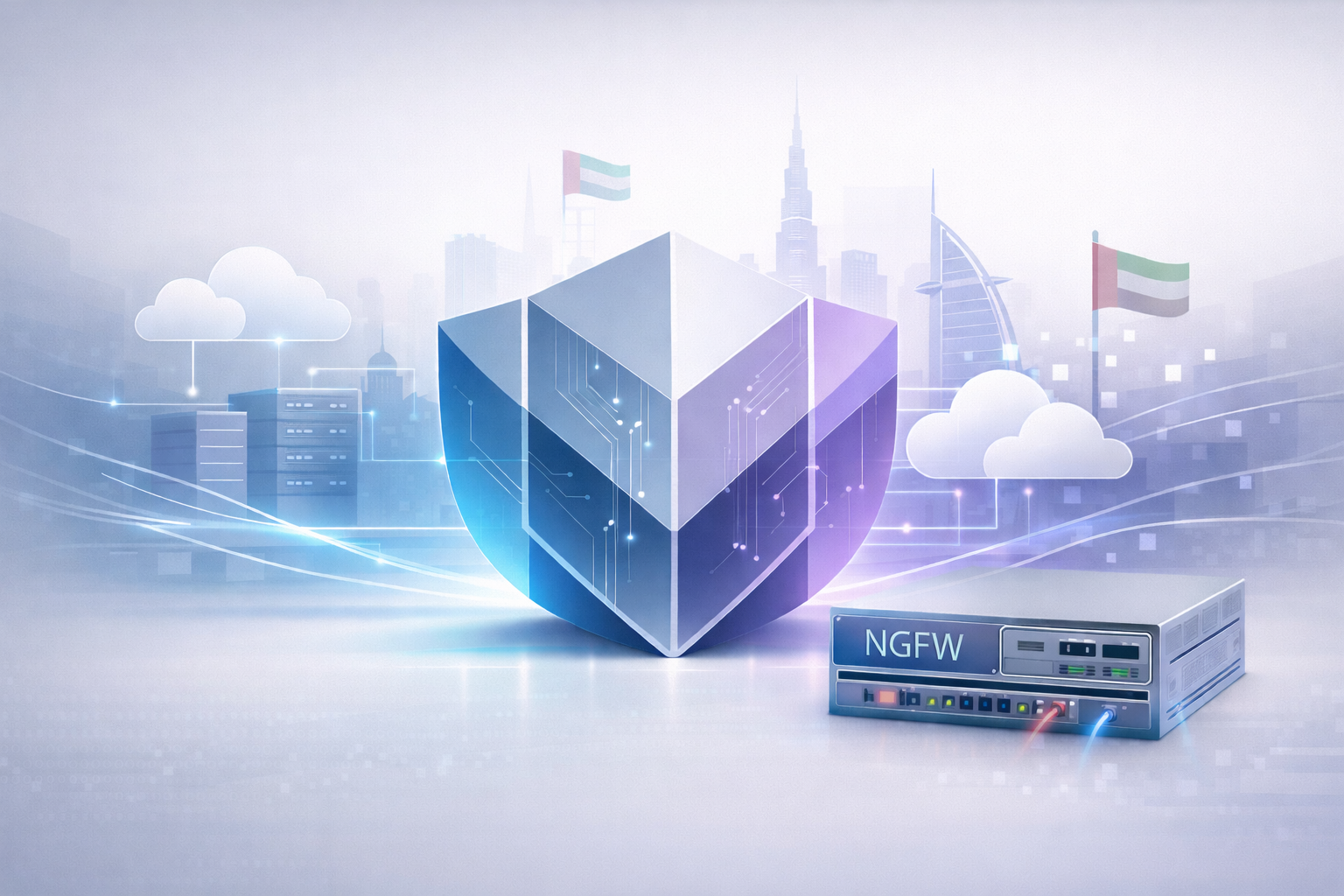
A firewall is a type of security system that serves as a barrier between trustworthy and untrusted networks by monitoring and managing incoming and outgoing network traffic according to preset rules. Firewall security used to be primarily concerned with filtering traffic according to IP addresses and ports. However, as cyberthreats have evolved, firewalls have evolved too.
Next Generation Firewalls, or NGFWs, do a lot more than just filter traffic. They bring powerful features like application awareness, intrusion prevention, and even user profile tracking. But what’s really changing the game is the move toward AI-enhanced technologies. These smart systems can detect and respond to threats faster, more accurately, and with greater flexibility, redefining what network security looks like today.
The Different Types of Traditional Firewall and Their Limitations.
Types of Traditional Firewalls
-
Packet-filtering firewalls were the initial type of firewall, focusing on traffic filtering through IP addresses, ports, and protocols, but they lacked context and content analysis.
-
Stateful inspection firewalls enhanced security by monitoring active connections, allowing for greater contextual awareness in traffic management.
-
Proxy firewalls, or application-level gateways, inspected data at the application layer, blocking malicious content and enforcing policies while sacrificing some speed.
-
Deep Packet Inspection (DPI) firewall is an advanced network security system that goes beyond basic packet filtering by analyzing the entire contents of data packet—not just the header information (like IP addresses and ports), but also the payload (actual data).
Why Traditional Firewalls Became Outdated
Although they used to be the backbone of network security, traditional firewalls are now insufficient to protect against modern threats. These firewalls have the ability to filter traffic according to port numbers, IP addresses, and protocols. However, they are unable to go beneath the application layer to see the true situation. This indicates that they have trouble detecting malicious and trustworthy apps that are using popular ports, such as HTTP or HTTPS. Their inability to analyze encrypted traffic is one of their biggest drawbacks. Since SSL/TLS currently encrypts the majority of web traffic, legacy firewalls essentially don't understand the nature of these communications. This implies that within encrypted channels, malware, phishing attempts, and data exfiltration can occur covertly.
Traditional firewalls rely heavily on static rules and detection using signatures, which makes them ineffective at combating advanced persistent threats (APTs), polymorphic malware, and zero-day exploits. They lack the ability to analyze behavior, integrate real-time threat intelligence, or respond quickly to emerging attack trends.
Real-time threat detection is becoming more and more important in today's complex and dynamic IT environments. Access to user identity, device health, application activity, and location are all necessary for modern security; these are levels of information that traditional firewalls cannot offer. This shift necessitates advanced solutions like Next-Generation Firewalls and Zero Trust architectures.
Core Features of NGFWs
Advanced Protection Against Threats
Beyond simple signature-based detection, NGFWs incorporate advanced cyber threat prevention capabilities. To identify and prevent advanced threats like ransomware and zero-day exploits, they employ sandboxing, machine learning, and behavior analysis. Real-time anomaly recognition and proactive actions, like automatically blocking malicious outbound traffic or isolating compromised devices, are possible with these systems.
Advanced URL Filtering
By classifying and examining web content in real-time, NGFWs offer dynamic URL filtering. To prevent access to harmful, phishing, or improper websites, they evaluate the reputation and risk level of URLs. This promotes safer browsing environments, minimizes user exposure to web-based threats, and helps enforce organizational policies particularly for mobile devices and remote users.
DNS Security
To stop threats like DNS tunneling, DGA-based malware, and communication with command-and-control servers, NGFWs use DNS security to monitor and filter domain name queries. They use threat intelligence to block access to malicious or dubious domains and analyze DNS requests in real time. At the initial stages of a network connection, this adds a crucial layer of protection.
IoT Security
Even IoT devices that don't adhere to standard protocols are recognized and categorized by NGFWs. They implement customized security policies according to the known vulnerabilities and behavior of each device.
Next-Generation CASB (Cloud Access Security Broker)
Deep visibility and control over cloud apps and services are made possible by integrated CASB features. NGFWs establish data protection policies, detect and regulate the use of both authorized and unauthorized SaaS apps (Shadow IT), and guarantee regulatory compliance. They keep an eye on user activity in the cloud and stop dangerous practices like uploading or sharing data without authorization.
How the Cloud and Mobile Workplaces Are Changing Security Needs?
The emergence of cloud services, mobile devices, and remote work has changed how businesses function, making traditional perimeter-based firewalls inadequate. Nowadays, workers use a variety of devices and locations to access company resources, frequently over unprotected networks. At the same time, companies are depending more and more on cloud platforms and SaaS apps, which have distributed and dynamic assets.
Such developments necessitate context-aware, scalable, and adaptable security solutions. This need is met by NGFWs, which provide identity-based policies, secure mobile access, and cloud-native features. They can integrate with services like CASB for cloud app visibility, enforce consistent security for remote users, and monitor traffic across cloud environments. NGFWs are designed specifically to provide flexible, real-time security for today's cloud-based, mobile businesses.
The AI and ML Revolution: How Smart Firewalls Are Changing the Game
Firewalls are evolving from passive filters into intelligent network protectors through artificial intelligence (AI) and machine learning (ML). These advanced firewall technologies enable real-time correlation of hidden indicators that humans might miss, thereby driving automation in modern NGFWs in ways that were impossible earlier.
These systems evolve rather than simply detect. AI keeps improving its comprehension of typical operations as new gadgets connect and digital environments evolve. By prioritizing threats according to risk context, it can lessen alert fatigue and facilitate quicker decision-making. Additionally, ML models adjust to feedback, gradually increasing their accuracy by learning from verified incidents as well as false positives.
In highly dynamic and hybrid infrastructures, where traditional firewalls are unable to keep up, this intelligence is extremely valuable. Security is made faster and smarter by integrating AI directly into the firewall's core operations. This enables the prevention of events that would be impossible to predict with static policies or predefined rules.
How AI is Transforming Firewalls: Real-World Use Cases
AI and machine learning are being used by top firewall vendors like Cisco, Fortinet, and Sophos to transform real-time threat detection and response. On a daily basis, billions of data points are processed by Fortinet's AI-powered FortiGuard Labs to detect new malware strains, suspicious activity, and zero-day threats. Threats concealed in encrypted traffic are discovered using AI-based sandboxing and real-time traffic analysis, while incident response is prioritized by assigning threat scores.
Sophos employs machine learning (ML) in its Sophos XG Firewall and SophosLabs Intelix to track user behavior and identify irregularities like strange file access or login behavior. By giving users and devices dynamic risk scores, it makes it possible for automated policy changes to be made in response to suspicious activity. Without the need for human intervention, this aids in preventing attacks like credential abuse and lateral movement early.
By embedding AI into their firewalls, these vendors deliver faster detection, reduce false positives, and improve overall network security through intelligent firewall systems and automated defense mechanisms.
The Advantages of AI-Driven Next-Gen Firewalls
Proactive Threat Detection
Proactive Threat Detection mining trends in real-time traffic, user behavior, and system activity, artificial intelligence (AI) enables firewalls to identify threats before they become fully developed. This enables for the early detection of advanced attack techniques, unknown malware, and zero-day vulnerabilities.
Automated Threat Mitigation
AI-driven NGFWs are able to react to threats automatically as soon as they are identified. This covers things like isolating compromised devices, stopping malicious data flows, and blocking dubious IP addresses. These automated reactions lessen the need for human intervention and aid in stopping network attacks from spreading.
Faster Incident Response
AI dramatically reduces detection-to-response time by automating decision-making and continuously analyzing traffic. It enables security teams to react immediately or even anticipate problems before they arise.
Adaptability and Scalability
AI allows NGFWs to automatically adjust as networks expand and change, particularly with cloud adoption and mobile workforces. Without requiring manual configuration, firewalls can dynamically scale protection by adapting to new data flows and changing security postures.
Smarter Policy Management
AI suggests more effective and secure firewall rules by examining past traffic and user activity. It lessens redundancies, avoids misconfigurations, and eliminates outdated policies. This makes management easier, particularly in distributed and complex environments.
A significant development in contemporary cybersecurity is the transition from conventional firewalls to AI-integrated systems. Relying on antiquated, static defenses are no longer adequate as networks become more complex and threats become more sophisticated. To remain safe in real time, you must upgrade to more intelligent, flexible solutions. Threat identification and handling are already changing because of AI and automation, which improve accuracy and speed up response times. Their function will only grow in the future, giving security systems the ability to foresee threats, take independent action, and remain resilient in a digital environment that is changing quickly.



-
Address
GS IT (Global Surf IT Infrastructure)
SIT Tower, Dubai Silicon Oasis
P.O. Box 13653, Dubai, UAE -
Working Hours
Monday - Friday : 8.30am to 5.30pm
Remote Support : Available 24/7
-
Call Us
+971 4 578 6518
-
Mail Us
hello@gs-it.ae
Post a Comment